

The DIFC Wills Registry rejects foreign-executed wills primarily because the document lacks a complete attestation chain or arrives with a translation that has not been certified by the UAE Ministry of Justice. A will signed abroad carries no automatic evidentiary weight in Dubai until a defined sequence of government authorities verifies each signature on the document. Practitioners preparing filings for the DIFC Wills Service Centre must check every stamp before submission to avoid weeks of delay and mounting legalisation fees. See also: steps an executor prepares for after registration.
Contents
- Why does the DIFC Wills Registry reject foreign-executed wills at first submission?
- What is the exact attestation chain for a foreign will entering the DIFC Wills Service Centre?
- Which translation standards does the DIFC Wills & Probate Registry enforce?
- What documents must accompany a foreign will during DIFC Wills Service Centre registration?
- How do registration fees and processing times differ for foreign wills at the DIFC Wills Registry?
- When should a practitioner advise re-executing a will under DIFC rules instead of registering a foreign one?
Key takeaways
- A will executed outside the United Arab Emirates does not enter the DIFC Wills Registry through the same intake window as a domestic registration.
- A will executed outside the UAE must pass through notarisation in the country of origin, authentication by that country's foreign ministry, legalisation by the UAE embassy or consulate there, and final attestation by the UAE Ministry of Foreign Affairs.
- The DIFC Wills & Probate Registry requires any will not originally drafted in English to be accompanied by a certified English translation.
- When registering a foreign-executed will, the applicant must submit the fully attested original will, the certified translation where applicable, the testator's valid passport copy, Emirates ID if resident in the UAE, and the completed DIFC Wills Registry application forms.
- Registering a foreign-executed will at the DIFC Wills Registry incurs the standard registration fee, but practitioners must allow for the additional time and cost of the international attestation chain.
Why does the DIFC Wills Registry reject foreign-executed wills at first submission?
A will executed outside the United Arab Emirates does not enter the DIFC Wills Registry through the same intake window as a domestic registration. The DIFC Wills Service Centre, formerly known as the DIFC Wills and Probate Registry, applies specific evidentiary standards to any testamentary instrument drafted under foreign law. Submitting an unattested original or a photocopy without legalisation triggers an immediate procedural refusal. The registry returns the file, and the clock on estate administration resets.
The most frequent rejection reasons share a pattern: the filing party treats the foreign will as self-proving. In a domestic context, a will registered directly through the DIFC Wills Registry portal carries its own execution record. A will signed in London, Toronto, or Mumbai requires proof that passes through sovereign channels before the registry accepts the instrument for registration. Registry clerks check physical stamps and seals in a strict sequence. One missing endorsement from a foreign ministry or one uncertified translation page halts the entire application.
Before quoting timelines or costs, practitioners advising clients on cross-border estates should check the physical document against these rejection triggers:
Each checklist item represents a distinct administrative failure. A rejected filing forces the executor or applicant to retrieve the original document, restart legalisation in the country of origin, or commission a new translation. This cycle adds weeks and generates additional legalisation fees at every stage. Client frustration grows when the practitioner has quoted a standard processing period based on domestic registration speeds rather than cross-border evidence preparation.
The DIFC Wills Registry rules require the applicant to prove the will was validly executed according to the laws of the jurisdiction where the testator signed it. That takes more than a notary stamp from the testator’s home city. Identifying the rejection trigger is only the diagnostic step. Resolving the defect requires mapping the precise route the document must travel between governments. What is the exact attestation chain for a foreign will entering the DIFC Wills Service Centre?
What is the exact attestation chain for a foreign will entering the DIFC Wills Service Centre?
A will executed outside the UAE must pass through notarisation in the country of origin, authentication by that country’s foreign ministry, legalisation by the UAE embassy or consulate there, and final attestation by the UAE Ministry of Foreign Affairs. Each link in this chain is mandatory for the DIFC Wills Registry to accept the document. For related context, review steps an executor prepares for after registration.
The DIFC Wills Service Centre, formerly DIFC Wills & Probate Registry, treats the attestation chain as a strict sequence. A missing stamp at any stage invalidates the subsequent steps. The paralegal preparing the filing must check that each authentication mark is physically present on the paper before submitting the bundle to the difc wills registry portal. Electronic copies without corresponding wet-ink stamps or verified digital seals from the issuing authorities trigger immediate rejection during the initial compliance review.
Notarisation is the first link. A licensed notary public in the jurisdiction where the testator signed the will must certify the signature and the date of execution. This confirms the identity of the testator under local law. The notary applies a seal and records the act in a public register. Without this initial certification, no foreign ministry will process the document for further authentication.
Foreign ministry authentication is the second link. The government department responsible for foreign affairs in the country of origin checks the notary’s seal against its own records. This department applies an apostille or a standard authentication certificate, depending on the treaties in force between that country and the UAE. The certificate attaches to the notarised will as a separate page or a sticker bearing a unique reference number.
UAE embassy legalisation is the third link. The consular section of the UAE embassy or consulate located in the country where the will was executed examines the foreign ministry certificate. Consular officers confirm the authenticity of the issuing authority’s signature and stamp. The embassy then affixes its own legalisation stamp to the document bundle. This step links the foreign jurisdiction to the UAE federal system.
Final attestation by the UAE Ministry of Foreign Affairs completes the fourth link. Once the physical document arrives in the UAE, the Ministry of Foreign Affairs checks the embassy stamp applied abroad. The Ministry issues a final attestation sticker or stamp, confirming the document is now recognised within the UAE legal framework. Only after this fourth step does the difc wills and probate registry consider the foreign will properly authenticated for registration purposes.
The DIFC Courts practice directions govern how the difc wills & probate registry processes these apostilled documents. For jurisdictions that are members of the Hague Apostille Convention, the registry accepts the apostille in place of embassy legalisation. The applicant must still obtain final attestation from the UAE Ministry of Foreign Affairs upon the document’s arrival in the country. The Ministry verifies the apostille itself rather than an embassy stamp.
Practitioners must distinguish between full convention members and non-members when advising clients. If the country where the will was executed has not joined the Hague Apostille Convention, the full four-step chain remains mandatory. Submitting an unapostilled document from a non-member state with only a basic notary stamp guarantees rejection. Registry staff check the current list of convention members against the country of origin stated on the notarial certificate before processing the file.
The apostille must contain specific information to pass the registry’s compliance check. The certificate must name the country of issue, the signatory of the underlying document, the capacity in which the signatory acted, the details of any seal or stamp, the place and date of issue, the issuing authority, the certificate number, and the stamp of the issuing authority. Missing any of these fields renders the apostille defective under the convention standards, requiring the practitioner to restart authentication in the country of origin.
Filing timelines differ significantly by route. The apostille route typically cuts preparation time by several weeks because it eliminates the need to courier documents to a UAE embassy abroad. However, final Ministry of Foreign Affairs attestation inside the UAE still takes processing time. Practitioners advising clients on scheduling must allow for both the origin-country apostille issuance period and the domestic Ministry queue. With the authentication chain secured, the next requirement is translation: Which translation standards does the DIFC Wills & Probate Registry enforce?
Which translation standards does the DIFC Wills & Probate Registry enforce?
The DIFC Wills & Probate Registry requires any will not originally drafted in English to be accompanied by a certified English translation. For documents passing through UAE federal authorities, the translation must typically bear certification from the UAE Ministry of Justice. The registry will not process a filing if the translation lacks these specific endorsements.
Before booking a registration appointment at the DIFC Wills Service Centre (formerly DIFC Wills & Probate Registry), a practitioner preparing a foreign will should check each translation requirement against this field checklist.
The DIFC Wills Registry generally does not accept translations certified solely in the country of origin without subsequent UAE Ministry of Justice stamping. An exception arises when the foreign will has already passed through the full UAE embassy legalisation chain described in the preceding section and the accompanying translation was certified as part of that authenticated bundle. Even then, the registry may request a fresh translation by a UAE-licensed translator if the submitted version contains ambiguous terminology or fails to meet formatting standards.
DIFC Courts practice directions governing probate filings require that any document submitted to the registry be legible, properly bound, and fully translated. An uncertified translation sends the client into a delay cycle lasting several weeks while the document returns to a licensed translator for correction and re-stamping. Each return trip through the UAE Ministry of Justice incurs additional fees and extends the timeline before the DIFC Wills Service Centre will accept the application package.
The translation standard is one part of a broader documentary requirement. Once the English translation carries the correct stamps, the applicant must assemble the remaining supporting papers. What documents must accompany a foreign will during DIFC Wills Service Centre registration to complete the filing package?
What documents must accompany a foreign will during DIFC Wills Service Centre registration?
When registering a foreign-executed will, the applicant must submit the fully attested original will, the certified translation where applicable, the testator’s valid passport copy, Emirates ID if resident in the UAE, and the completed DIFC Wills Registry application forms. Missing any item from this set delays processing at the DIFC Wills Service Centre formerly DIFC Wills & Probate Registry. For related context, review what must be filed if no valid will exists.

What documents must accompany a foreign will during DIFC Wills Service Centre registration.
The DIFC Wills Registry requires originals for the primary testamentary document and the final link in the legalisation chain. Certified copies of supporting identification typically suffice for the passport and Emirates ID, provided the certifying professional stamps each page. Registry staff check the physical attestation seals on the original will against the accompanying legalisation certificates before accepting the filing for substantive review.
The application forms used by the difc wills and probate registry record the testator’s personal details, the executor’s contact information, and the asset schedule governed by the will. Practitioners preparing cross-border filings must complete these forms using the exact spelling found in the testator’s passport. A discrepancy between the name on the foreign will and the name on the identification document triggers an immediate query from the registry clerk, pausing the intake clock until the applicant provides a formal name-linking affidavit or a corrected submission.
The difc wills & probate registry processes submissions sequentially. An incomplete bundle joins the back of the queue only after the applicant cures the deficiency. Arranging documents in the precise order specified by the registry guidelines reduces the chance that a clerk flags a missing attachment during the initial counter check.
A practitioner submitting a civil law will should place the notarial certificate directly behind the original testamentary document within the filing bundle. The certificate itself must travel through the same attestation chain as the will: notarisation in the country of origin, authentication by that country’s foreign ministry, and final legalisation by the UAE diplomatic mission or an apostille where applicable. The registry examines the notarial seal to confirm it matches the legalisation stamps.
Common law wills without a self-proving affidavit or witness statements present a separate procedural problem. The registry expects evidence that the testator signed the document in the presence of the required number of witnesses according to the laws of the place of execution. If the original will contains only the testator’s signature, the applicant may need to obtain retrospective witness affidavits authenticated through the same cross-border legalisation process before the difc wills registry accepts the filing.
A complete document bundle establishes the evidentiary baseline, but the cost and time needed for every legalisation step determine whether the client proceeds with the foreign instrument or explores alternatives. Comparing registration fees and processing times for foreign wills at the DIFC Wills Registry helps determine whether the filing strategy is practical.
How do registration fees and processing times differ for foreign wills at the DIFC Wills Registry?
Registering a foreign-executed will at the DIFC Wills Registry incurs the standard registration fee, but practitioners must allow for the additional time and cost of the international attestation chain. The DIFC Wills Service Centre processes complete applications within its published timelines, yet incomplete foreign document packs routinely add weeks to the overall schedule.
The DIFC Wills Service Centre charges a base registration fee that applies equally to domestic and foreign-executed wills. The registry does not publish a separate surcharge specifically for reviewing an extended legalisation chain. Practitioners quoting a client must therefore separate the fixed registry fee from the variable costs incurred abroad: notary charges in the country of execution, apostille or embassy legalisation fees, UAE Ministry of Foreign Affairs stamping costs, and certified translation expenses. These external line items frequently exceed the registration fee itself.
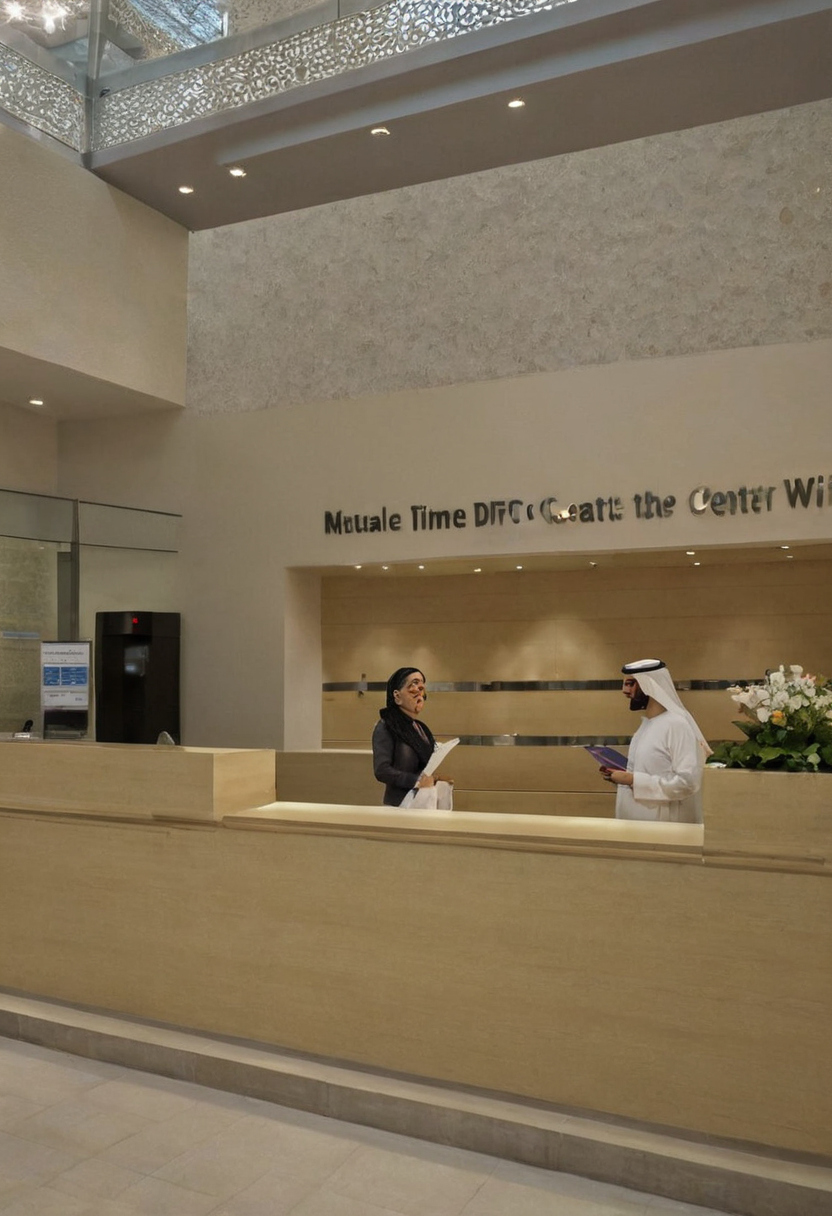
How do registration fees and processing times differ for foreign wills at the DIFC Wills Registry.
Processing timelines differ more sharply than fees. A domestic application with all signatures verified locally typically moves through review within the standard window published by the registry. A foreign application’s progress depends entirely on the completeness of the attestation chain arriving at the filing desk. When the registry identifies a missing certification, an unapproved translator stamp, or a broken link in the legalisation sequence, the application pauses. The applicant must then obtain the corrected document from the originating jurisdiction, restart the relevant portion of the chain, and resubmit. This correction cycle adds weeks, particularly when the originating country operates on different public holiday schedules or requires physical courier transit for wet-ink documents.
Practitioners advising clients on timing should quote the total duration as the overseas preparation period plus the registry processing window, rather than citing the registry timeline alone. When the combined cost of authentication, translation, and potential correction cycles approaches or exceeds the expense of drafting a new instrument locally, the practitioner faces a planning decision: whether re-executing the will under DIFC rules offers a faster and more predictable path than registering the foreign original.
When should a practitioner advise re-executing a will under DIFC rules instead of registering a foreign one?
If the attestation chain for a foreign will is broken, excessively costly, or legally ambiguous, practitioners often advise the testator to execute a new will directly through the DIFC Wills Service Centre. Drafting a fresh will under DIFC Wills Registry rules removes cross-border legalisation risks and ensures immediate compliance with local procedural requirements.
Before recommending re-execution over registration at the difc wills registry, a practitioner evaluates three conditions:
The cost comparison calls for line-item analysis. Completing a full foreign attestation chain involves sequential payments to notaries, embassies, translators, and federal ministries across multiple jurisdictions. Drafting a new DIFC will incurs professional preparation fees plus the standard DIFC Wills Registry registration fee. When the foreign chain spans three or more countries, re-execution frequently costs less and completes faster.
Jurisdictional limits constrain this strategy. A DIFC will governs only assets falling within DIFC Courts jurisdiction. Real property located outside the UAE, foreign bank accounts, or shares in non-DIFC entities remain subject to the succession laws of their respective locations. Re-execution solves the procedural gateway problem for UAE-situated assets but does not replace estate planning for offshore holdings.

When should a practitioner advise re-executing a will under DIFC rules instead of registering a foreign one.
For more on this topic, see other guides on this site.