

A will is registered, but does the executor yet have authority to act? A foreign death certificate, two named executors and an account requiring immediate protection can create several dependencies before anyone may collect or distribute estate property. Registration, a probate application, a grant and asset administration are separate stages.
Does a DIFC-registered will automatically go through probate?
No. DIFC registration records the will, but registration does not itself open a court case or give the executor authority to administer the estate after death. The executor must confirm the registered will’s type and scope, the appointment of executors, relevant assets, guardianship provisions and the court procedure applicable when the application is made.
Will registration
Will registration records the testator’s will with the DIFC Wills Service Centre during the testator’s lifetime.
Post-death notification
Post-death notification alerts the appropriate DIFC function and initiates verification of the death, registration record and people seeking access or action. Notification should not be treated as a probate application.
Probate application
A probate application asks the DIFC Courts for judicial authority based on the registered will and the applicant’s entitlement to act.
Grant
A grant records the DIFC Courts’ decision about who may represent the estate and the legal basis on which that person may act.
Estate administration
Administration involves identifying, collecting, transferring and eventually distributing covered assets, subject to liabilities, the grant’s scope and each relevant institution’s requirements.
The registered will’s scope determines the executor’s starting point
The executor should verify the will category and its current official scope rather than infer coverage from the document’s title. DIFC registered wills may address a broader estate or particular subjects such as specified property, financial assets, business ownership interests or guardianship. A guardianship provision concerns care arrangements and does not, by itself, confer general authority to administer assets.
The scope review should test the date of death, registration status, exact executor appointment, asset location and ownership structure. Joint ownership, nominations, later-acquired property, overseas assets or a later will may affect what enters the estate and which jurisdiction must act. Guardianship provisions require a separate factual review where children, residence or existing court orders are involved.
The executor should prepare a preliminary scope schedule showing each asset, its legal owner, location, custodian and apparent connection to the registered will. Any uncertain or conflicting item should be reviewed by a DIFC probate lawyer before the executor represents that the will covers it.
The DIFC Wills Service Centre and the DIFC Courts perform different post-death functions
The DIFC Wills Service Centre administers the registered-will record and relevant post-death verification steps. The DIFC Courts perform the judicial function, including determining an application for a grant or other relief. The DIFC Courts Registry and DIFC Courts eRegistry support formal court filing, but an enquiry or death notification is not necessarily a filed probate case.

Does a DIFC-registered will automatically go through probate shown as an editorial planning reference.
The executor should confirm the current rules, forms, access conditions and applicable DIFC Courts practice directions before relying on a copy of the will or an older procedural summary. If executor status, validity or scope may be challenged, legal advice should precede filing. The immediate task is not distribution. It is taking the first safe actions after the death.
What should the executor of a DIFC-registered will do first after the death?
The named executor should secure death evidence, preserve vulnerable estate property, avoid distributions and confirm the current procedure with the DIFC Wills Service Centre or a qualified DIFC probate lawyer. Registration does not automatically authorise dealings with accounts, land or company interests.
- Immediately: obtain the available medical or civil death evidence and record the date and place of death. For a death outside the UAE, ask counsel whether translation, attestation or another authentication step will be required.
- Protect urgent interests: secure premises, insurance records, digital-access information and perishable property without selling, transferring or treating estate assets as personal property.
- Identify human risks: record the immediate needs of dependants, minors and vulnerable people while avoiding informal promises about inheritance or guardianship.
- Coordinate authority: contact every named executor and establish whether anyone is unwilling, unavailable, incapacitated or in conflict. One executor should not assume that another appointment can be ignored.
- Escalate operational risks: obtain prompt legal advice where a business is trading, assets may disappear, records are at risk or a dispute has been threatened.
- Confirm notification: ask the DIFC Wills Service Centre or counsel who may report the death and which identity, death and executor documents are required. A copy of the will may not prove current standing.
The executor should build a verified death-and-will chronology before filing
The chronology should record the death date and place, death-certificate issue date, will-registration details, executor contacts, family or beneficiary communications, preservation measures and correspondence with institutions. Each entry should be marked verified, assumed, missing or disputed. A verified entry should link to its supporting document.
This classification changes the quality of the file. For example, “the deceased owned the account” may be an assumption until an account statement identifies the holder. “Both executors will apply” remains unverified until each executor confirms that position. “A later will exists” is disputed if someone alleges it but cannot produce a document.
Estate preservation does not necessarily permit asset collection or distribution
Protective action is not the same as probate authority. A bank may restrict an account, property may need physical security, company records may need preservation and digital information may need safeguarding. Withdrawals, transfers, share dealings and distributions may nevertheless require a grant, court order or institution-specific approval.
A DIFC probate lawyer should assess the executor’s pre-grant powers and whether urgent court relief is available where ordinary preservation is insufficient. Once immediate risks are controlled, the chronology must be converted into an organised filing file.
Which documents should an executor assemble before applying for DIFC probate?
An executor will usually need identity, death, will, appointment and estate information in the formats required on the filing date. Overseas records, inconsistent names, joint executors, minors and corporate holdings may require translations, attestations, affidavits, consents or further evidence confirmed against current DIFC Courts instructions.
The core DIFC probate file must prove death, will registration and executor standing
The executor should organise the file around what the application must establish rather than collect an unstructured bundle. A DIFC probate lawyer should verify the current forms, statements, affidavits, undertakings, exhibits and fees before submission.
Death certificate
The death certificate establishes the registered testator’s death. The file should contain the official record or an accepted certified form issued by the competent civil authority, together with any translation or foreign-document formalities required for filing.
Registered-will information
The registration information identifies the relevant will and its apparent scope. The executor should flag a missing record, later will, amendment or inconsistency rather than deciding privately which document is operative.
Executor identity and address evidence
Government identity and current address records help establish the applicant’s identity and standing. Differences in names, transliterations, nationality details or document numbers should be reconciled through the evidence required by the Court.
Appointment evidence, consents and supporting statements
The application may need evidence showing who was appointed, who is applying and the position of every co-executor. Current court requirements should determine the form of any consent, statement, affidavit, exhibit or undertaking.
Estate, liability and family schedule
A verified schedule should identify assets, debts, beneficiaries, dependants, minors and guardianship issues. Supporting records should show ownership and location, while overseas assets and inconsistent ownership documents should be flagged expressly.
Joint executors must document who intends to apply and the position of each co-executor. An executor who has died, declines to act, lacks capacity or cannot participate may change the appropriate grant and supporting evidence. An overseas or corporate executor should obtain specific advice about eligibility and representation before signing anything.

Which documents should an executor assemble before applying for DIFC probate shown with practical context cues.
Foreign-issued and inconsistent records require an early admissibility check
A foreign death certificate should be checked for acceptable certification, translation and any required attestation or legalisation before submission. The UAE Ministry of Foreign Affairs attestation service verifies seals and signatures on eligible official documents issued in the UAE or abroad, subject to the service’s authentication and submission conditions.
Attestation does not answer every court-evidence question. Counsel should confirm whether the DIFC Courts require a particular translation, certification, exhibit or explanatory statement. Name spellings, dates, nationalities or passport numbers that differ across the will, death certificate and asset records should be listed rather than silently corrected.
How does applying for probate proceed through the DIFC Courts?
Applying for probate is a dependency-based process rather than a fixed timetable: establish the applicant’s standing, select the correct relief, file suitable evidence, pay the applicable charge, complete any required notice, answer court directions and attend a hearing if ordered. The exact route depends on the rules in force and whether the matter remains uncontested.
The correct probate application depends on who is entitled to apply
A named executor will ordinarily seek a grant of probate, but the filing route can change if multiple executors are named or an executor has died, lacks capacity, declines to act or lives outside the UAE. A substitute executor or another interested person may require different relief rather than filing as if that person were the original executor.
The planning file should therefore establish each named executor’s identity, capacity, location and intention. Any proposed renunciation, application involving power reserved, substitute appointment or alternative grant should be reviewed by a DIFC probate lawyer against the current DIFC Wills and Probate Registry Rules. The applicant should also confirm whether personal filing is suitable or an authorised legal representative should be appointed.
DIFC probate filing, notice and hearing requirements must be checked as of the application date
For an apparently complete and uncontested estate, the practical sequence is:
- Confirm standing and relief. Do not select a case type until the will, executor appointments and any inability or unwillingness to act have been verified.
- Confirm the current form and filing channel. Check the application name, mandatory statements and accepted format before using the DIFC Courts eRegistry or appointing a representative.
- Complete the evidence bundle. File after the death certificate, registered-will information, identity evidence, executor evidence and required foreign-document formalities are procedurally suitable.
- Check and pay current charges. Use the fee schedule effective on the payment date rather than an older article, quotation or saved form.
- Address notice and competing claims. Identify any person requiring notice, the permitted service method and the proof that must be filed. A caveat, objection or competing application can interrupt the uncontested route.
- Respond to the Court. Monitor the case account for correction requests, additional-evidence directions or hearing arrangements. Check current practice directions for procedural changes affecting documentary, remote or in-person determination.
A procedural timeline should use dependencies rather than promise a fixed completion date
A useful chronology says “filing after evidence is suitable, notice after recipients are identified, and determination after directions are satisfied.” It should not promise a grant by a particular date. Foreign records, applicants outside the UAE, service problems, missing consents, court questions or a dispute can add stages.
Even a document-complete application may require a hearing if the DIFC Courts order one. The executor should track completed dependencies, outstanding evidence, responsible persons and the next decision instead of treating elapsed time as proof that the application is ready.
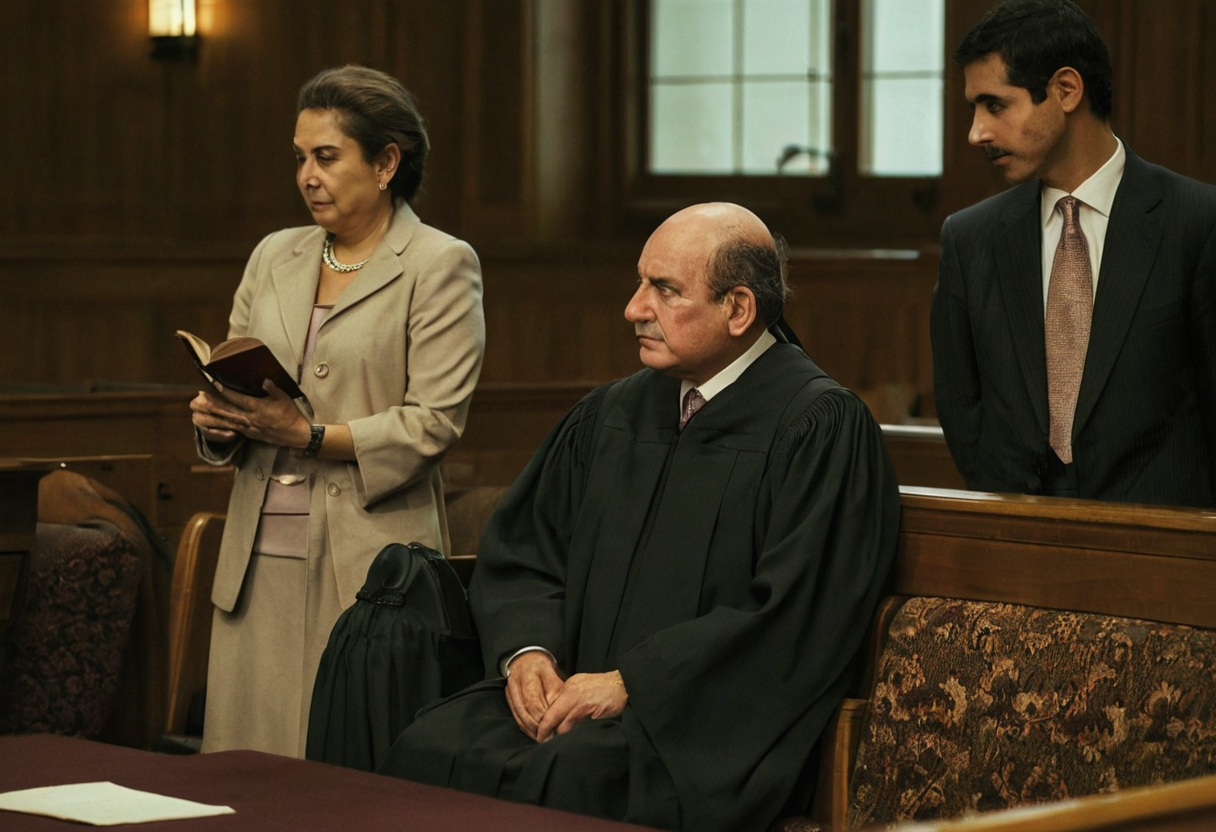
How does applying for probate proceed through the DIFC Courts shown as an editorial planning reference.
The grant concludes the application stage, but it opens another question: what may the executor do next, and what will each bank, registry or custodian still require?
What happens after the DIFC Courts issue a grant of probate?
A grant of probate establishes the executor’s court-recognised authority within its legal scope, but it does not release every asset automatically. The executor may still need sealed or certified documents, institution-specific evidence, recognition in another jurisdiction and estate accounts before collecting, transferring or distributing property.
A DIFC grant and an institution’s asset-release process are separate stages
The executor should obtain the grant in the form required by each relevant authority and confirm how additional sealed or certified copies may be requested. Understanding what probate confirms before an institution releases estate assets helps prevent the grant from being treated as an automatic transfer instruction.
Bank accounts
A bank may review the grant, executor identity, account ownership, liabilities and its own release documentation before permitting collection or transfer.
Real property
Property administration may depend on the relevant land authority’s procedure, title evidence, transfer documents and the relationship between the asset and the grant.
Company interests and securities
A company, registry or custodian may require constitutional records, ownership evidence, transfer forms and confirmation of applicable restrictions.
Once collection becomes legally available, the executor should identify secured and unsecured liabilities, maintain transaction records, prepare required inventories or accounts and distribute only after confirming estate obligations and beneficiary entitlements.
Assets outside the DIFC route may require recognition, execution or separate proceedings
Asset location and ownership form determine whether a DIFC grant can be used directly. Joint ownership, nominee arrangements, foreign property and assets registered elsewhere in the UAE may require local execution, recognition, resealing where available, or separate succession proceedings. A lawyer experienced in the relevant jurisdiction should confirm the route before transfers are attempted.
Which facts can turn an ordinary DIFC probate application into a court dispute or different procedure?
Challenges, executor incapacity or renunciation, overseas deaths, minors, guardianship questions and assets outside the registered will’s coverage can change the ordinary DIFC route. The executor’s chronology should identify these issues before a defective or incomplete application is filed.
A beneficiary challenge or executor conflict requires early procedural advice
Ordinary filing preparation should pause if someone alleges a later will, invalid execution, incapacity, undue influence, executor misconduct or competing entitlement. A DIFC probate lawyer should check the current rules and practice directions before advising on a caveat, contested proceedings, interim protection, renunciation, removal or replacement.
Validity challenge or alleged later will
Preserve original documents, registration information and relevant communications. Obtain probate-disputes advice before making statements about which document governs the estate.
Executor death, incapacity, refusal or conflict
Preserve the appointment wording and evidence of the executor’s position. Legal advice should determine standing and whether another grant or replacement procedure is required.
Minor beneficiary or guardianship issue
Collect birth records, residence information, current care arrangements and the will’s guardianship provisions. Probate and family-law questions may require separate analysis.
Overseas, jointly owned or omitted asset
Confirm ownership, location, custodian and transfer restrictions. Cross-border or asset-specific advice may be necessary even where the DIFC probate application is uncontested.
Urgent advice may also be required where estate property is being transferred, records may disappear, dependants lack support or an executor is making disputed payments. The available relief depends on evidence, authority and jurisdiction, not simply the seriousness of an allegation.
The executor’s consultation pack should expose gaps rather than conceal them
A useful first-meeting pack contains a one-page chronology marking facts as verified, assumed, missing or disputed; a family map identifying executors, beneficiaries, minors and known conflicts; and an asset schedule stating the owner, location, approximate value, custodian, supporting record and restriction.
The pack should also contain a liability list, missing-document schedule, urgent deadlines and focused questions about standing, will scope, notice, protective relief, cross-border steps and professional fees. A visible gap gives the lawyer a problem to solve. A concealed assumption can produce the wrong application.
Edge-case FAQ
What is the first thing an executor should do after the death of someone with a DIFC-registered will?
The executor should obtain reliable death evidence, protect vulnerable property and confirm the will record and executor appointments. Collection and distribution should wait until the executor’s authority and any urgent exceptions have been reviewed.

Which facts can turn an ordinary DIFC probate application into a court dispute or different procedure shown with practical planning details.
Does a DIFC-registered will automatically go to the DIFC Courts for probate?
No. Registration, post-death notification and a court application are distinct steps. The appropriate application depends on the will, the executors and the facts existing after death.
How long can a DIFC grant of probate take?
No single completion period suits every estate. Document readiness, foreign-record formalities, notice, court directions, executor issues and disputes can change the sequence. The executor should plan by dependencies rather than a promised date.
Can a beneficiary challenge a will or take action against an executor?
A beneficiary or another interested person may seek legal advice about available court procedures where validity, entitlement or executor conduct is disputed. The correct procedure and available remedy depend on standing, evidence and the current rules.
Can a DIFC grant be used directly for assets outside the DIFC?
Not necessarily. The law and authority governing the asset may require recognition, local execution or separate proceedings. Asset-specific advice should be obtained before presenting the grant as sufficient authority.
The practical decision is to expose uncertainty before applying. Preserve the evidence, classify each fact, map every asset to its jurisdiction and obtain targeted advice instead of forcing a fragmented estate file through an assumed ordinary route.